

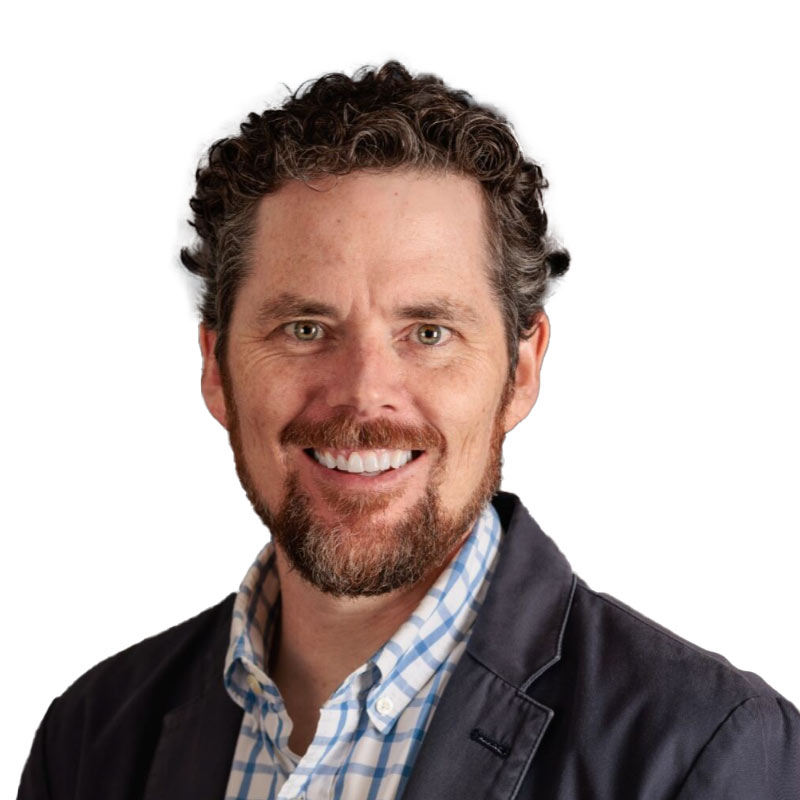
One of my favorite conversations began at a concourse bar in Boston Logan Airport. I was chatting with another traveler as we waited for flights. As it so often does, the topic of work came up.
“So, what do you do?” asked the guy sitting next to me as he sipped on a drink.
“I’m a shepherd,” I said. I could feel him turn to look at me. He wasn’t sure if I was joking or serious.
A long pause. “For the Lord?” he finally asked.
A good guess, to be fair. It’s one of those jobs that has been around since Biblical times. But I quickly explained that I spent my days caring for animals, not wayward souls.
Driven by a love of the outdoors and fresh air, I had started working in this ancient profession during the early 2000s. It was a unique way to put my degree in fisheries and wildlife to use while enjoying the fleeting beauty of summer in New England.
Livestock: A Wooly Asset Class
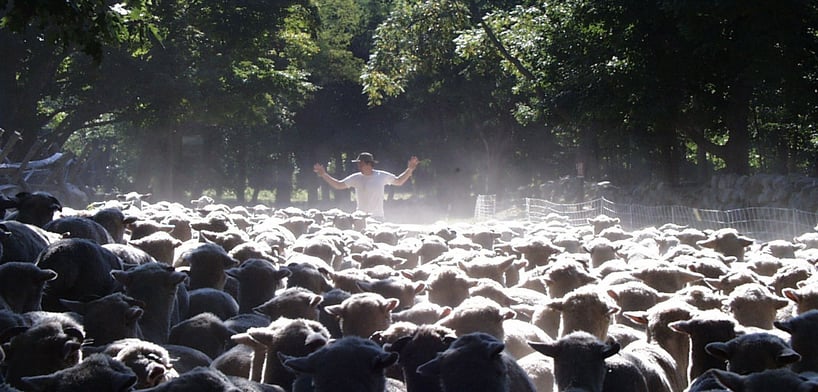
Shepherding wasn’t easy, but it could be very rewarding. It’s also one of those professions that people are naturally curious about.
Strangers in the airport weren’t the only ones with questions. I grew up in a family that was more likely to group me among the ranks of businesspeople, lawyers, and doctors. My dad was a banker and businessman. My grandparents ran successful businesses.
It should probably go without saying, but I was the only shepherd.
As a kid, I loved fishing and visiting our family cabin on the river. I was interested in mapping trails and animal surveys. I had no idea where those passions would lead, but I was comfortable with the idea of having no idea.
Shepherding eventually emerged as a path forward and, looking back, the start of my career as a financial advisor really took off as I was counting sheep.
I loved being outdoors, walking with sheepdogs, and tending to animals. The long-term potential of my path, however, had its limits. I couldn’t see a way to connect what I wanted from life with a future that involved tending to nature’s lawn mowers.
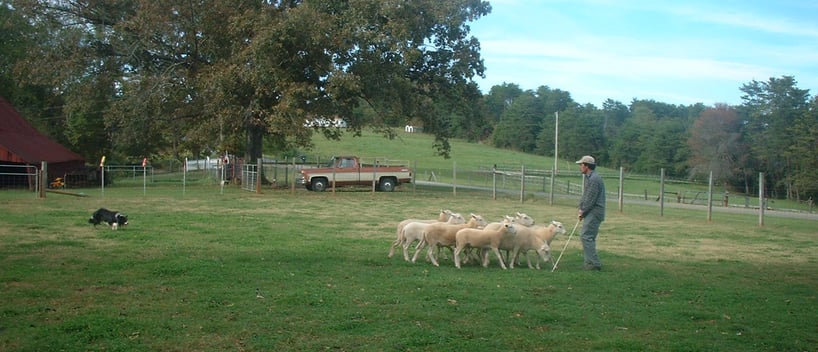
But as I cared for my flock of sheep, my thinking about them — and my whole situation — changed.
I saw my flock as animals, of course, but I also saw them as assets. Just as a farmer’s land is an asset, a shepherd’s sheep are, too.
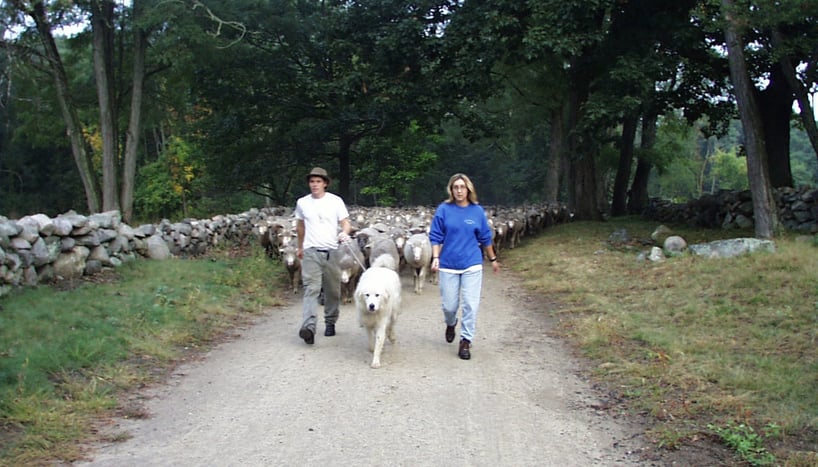
As I watched my assets being put to work, grazing along the powerline right-of-ways where I herded them, I knew I had to guide and care for them so that they would continue to provide in the future.
My change in thinking led to more revelations as I reconsidered the overlap between business and nature. With the herd, we were connecting an environmental challenge (keeping powerlines from becoming overgrown with vegetation) with a market-based solution (hungry sheep that provide us with fiber and food). What other situations might benefit from these insights?
Beyond the Flock
My search for market-based solutions to environmental challenges led me to new roles; first, in wetland restoration and ecology, and eventually, to the world of finance.
After getting my MBA, I took a closer look at finance and wealth management. By providing financial advice and helping investors align their money with their environmental vision, I could finally operate at the intersection of finance and the environment.
In 2013, I joined Earth Equity Advisors, an early adopter of “green-only” investing. A year later we completed a major overhaul of our investments, completely removing fossil fuels from our portfolios (which we had included for advocacy purposes), and deepened our commitment to “green” options over “grey” options.
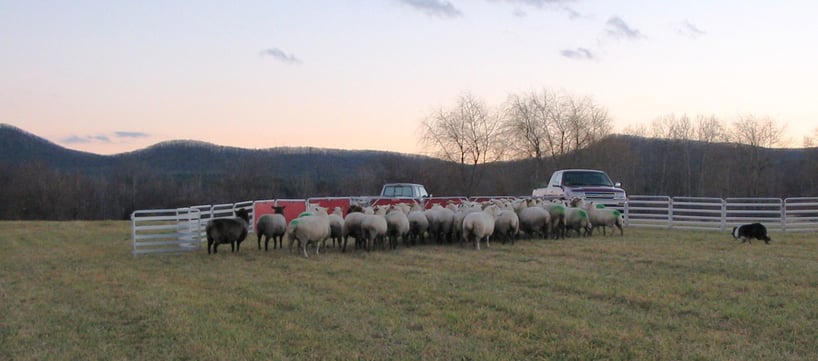
Once again, I was leading a flock. Only this time, I was responsible for my clients’ assets. And once again, I was doing something that was unique. We know Earth Equity’s sustainable portfolios and investments aren’t yet mainstream, but our collective impact is on a scale far bigger and more complex than many realize.
So much of what we do as advisors is about looking ahead, leading the way, and encouraging the right actions to help work towards positive outcomes. We tune into workshops on behavioral finance and buy software that will find signals in the noise.
And we think all of that makes us a bellwether, but the original bellwether actually had a bell on its neck. (Yes, a “bellwether” is a shepherding term used to identify the leading sheep of a flock. Wherever it goes, the rest of the herd tends to follow.)
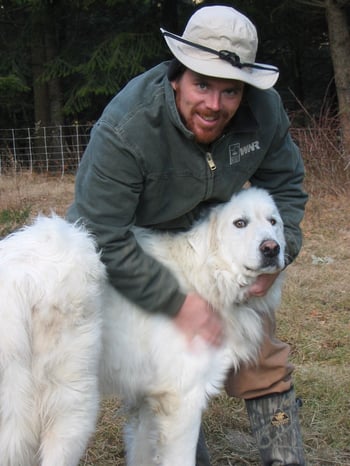 Shepherds, it turns out, have been guiding behavior, caring for assets, and seeking positive, beneficial outcomes way before retirement accounts, 529s, and even stock markets existed (well, modern stock markets, that is).
As a shepherd, you create good conditions for your sheep. You watch over them and protect them when they’re in danger. They, in turn, provide wool and food, so that you can thrive.
My success as an advisor is linked to my ability to explain the systems that surround us and to provide solutions to my clients’ concerns. Navigating the markets is not that different from navigating nature. My calling is to provide my clients with a deeper understanding of what their assets can do for them, to help them thrive — even as they’re striving to protect the environment and invest sustainably.
Working together we create a path forward, to help guide everyone towards greener pastures.
Earth Equity Advisors and TradePMR are unaffiliated companies.