
I all but grew up in a trading firm.
When I was a teenager, my dad started a trading firm out of our garage, as one does in California. At the dinner table and from the backseat of our family’s station wagon, we talked puts and calls and derivatives, pork bellies and the price of rice, commodities, options, and futures. You know, standard conversations for a young girl.
At that age, I didn't really understand that this wasn’t normal dinner table talk. I knew that my friends’ parents weren't doing the same thing, but I was so immersed in the world of finance that it was a type of native language.
Those were the days of the trading pits. Business on the floor represented the epitome of a transactional economy. It was predominantly white and extremely male-driven. The trading floor was not accessible to people without means and often inhospitable to women or people of color.
You needed a badge to get access and my dad paid a lot of money to get one, renting it for a couple of days a week at first. It was barely accessible, even for us, and it took a lot of dedication just to grow the company.
My dad ran a high-frequency trading firm, so there was no concept or real attachment on a fundamental basis to what you owned. I learned a lot by listening to him. The mantra at the dinner table was always buy low and sell high—as frequently and as often as possible.
We certainly weren’t buying things we believed in or even necessarily wanted to invest in. The idea that we could own something for the benefit of people and the planet, hold onto it, be in a relationship with the other owners and operators of the company, and help those companies get better was a distant prospect.
I saw a lot of trades as my dad’s business grew, and yet what I didn’t see was change. So I chose a different path and became a teacher.
Or so I thought.
A Teacher Taught by the Class
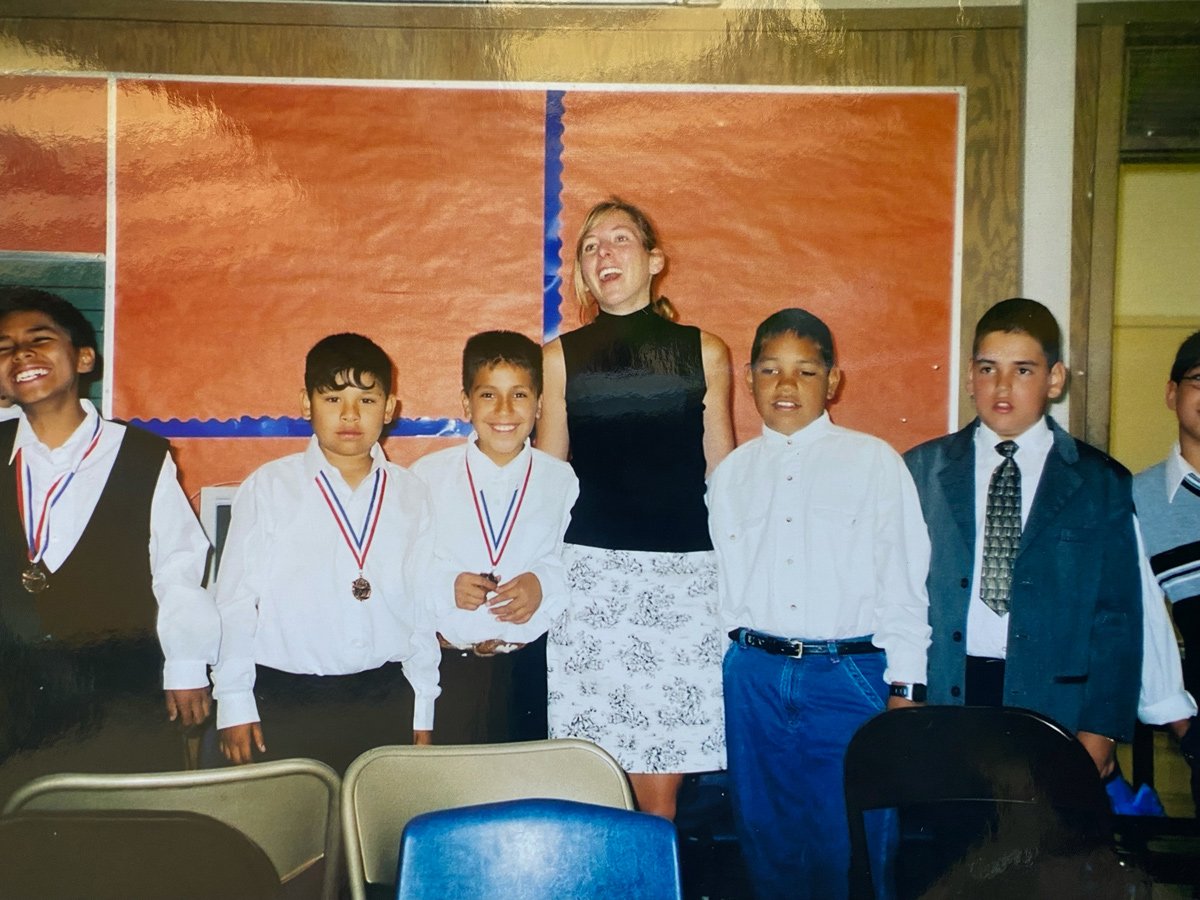
As a California school teacher, I was surprised to learn that the state didn't require a financial literacy component (it has only recently been added as a requirement for graduation beginning for the class of 2031). The only place that most people in the state learn about personal finance is at the dinner table, if at all.
When ordinary people lack the language of investing, they struggle with conducting business in a bank or a financial institution. They don’t understand just how negotiable things like interest rates and down payments can be. This lack of familiarity undermines a sense of ownership and plants the seeds of inequality.
My career took a turn after my first son was born and I wanted to work part-time while he was a baby. I took a teaching job in the Alameda County Jail, where I went from teaching younger children to adult inmates.
I was nervous at first.
The U.S. correctional system seemed like an entirely different world on many levels. To enter my classroom, I passed through tall prison gates and several security checkpoints. My students were only men. One time, the prison shifted inmates while I was en route to the classroom and I witnessed just how many people our system incarcerates and, by proxy, the economic and social waste it generates.
Once I got to know the students, I realized how ineffective the educational systems had been in their lives. My adult students were barely literate and deeply ashamed by their poor reading and writing abilities.
This time within the jail walls was a pivotal moment for me. I saw how our systems could work, and how they fall short.
I saw that if the educational system had worked effectively, the imprisoned students I was working with would very likely be in a different situation. They could be living meaningful lives and contributing to the economy instead. My students—inmates in the Alameda County Jail—could be getting jobs and homes and caring for their families and their communities.
Systemic Change Starts with Speaking Up
I returned to the school system more energized than ever. I wanted to start a charter school to counteract the effects of the system run amok that I’d experienced in the jails.
It was a project that would require funding and investment. Teachers generally don’t know how
to talk about raising capital, yet the dinner table talk as a kid had prepared me to speak a
language many of my colleagues didn’t yet understand.
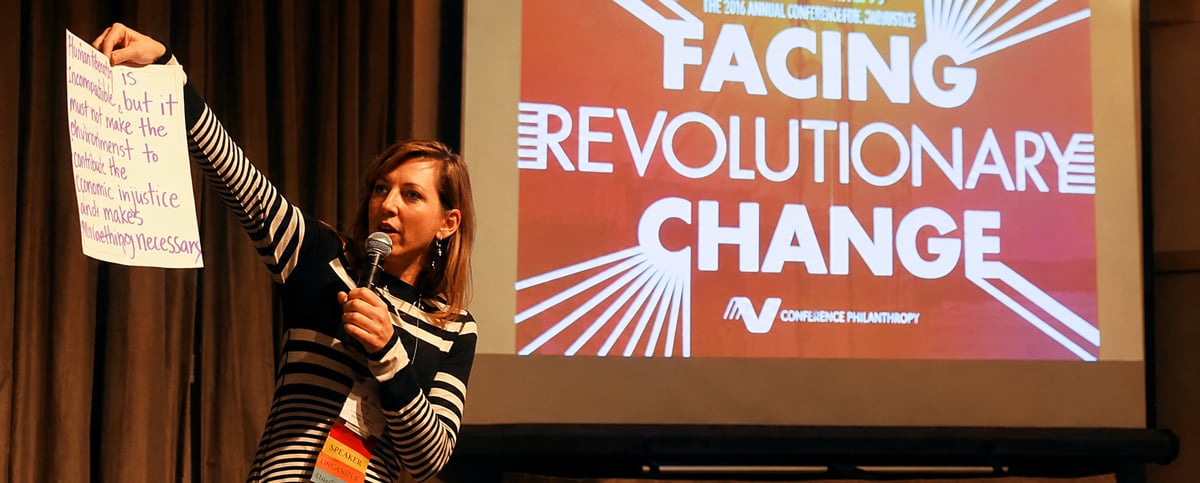
I was able to raise the capital and negotiate financing. With the successful launch of the charter school, I experienced an epiphany. I was sitting on too many skills that could be effective in producing the changes I wanted to see for our world.
I also realized the financial industry wasn’t just a land of soulless transactions; Wall Street offered some of the best levers for change. If investing were more transparent and more inclusive, capital and systems change could become mutually reinforcing.
And just like that, I was back at finance’s doorstep.
I went from teacher to asset manager, embracing the potential for change that Wall Street offers.
Investing is not rocket science. It can be straightforward. Portfolios don’t have to be difficult to understand. Companies can have diversity in their leadership and sustainable business models that aren’t extractive.
If we want an economy that works effectively, we need everyone contributing. Every investor has a voice and a right and responsibility to speak up and be active with their investments. It might seem shocking, and yet often I meet investors who are just as belittled and ashamed as some of the students I taught in Alameda County.
Whether someone struggles with financial literacy or plain old literacy, education is the best way to break down the systematic barriers between today’s fears and tomorrow’s possibilities.
I’ve worked in a world of extremes. My students have been some of society’s most vulnerable, and my clients have been some of society’s wealthiest.
They both have something in common: Change happens one conversation at a time. Whether it’s an extra effort with a client, hiring the right staff, or conducting solid old-fashioned due diligence and interacting with the companies you invest in, the systems we create are critical to generating long-lasting and positive results.
Nia Impact Capital and TradePMR are unaffiliated companies.